Invitations 03.25.25
How For Design Elegant Invitations For Any Occasion

Daniel Cantor
Invitations are the first impression of an event, reflecting its tone and formality. A well-crafted design not only communicates essential information but also conveys the host’s style and the essence of the occasion. In a world where personalization is key, creating elegant invitations has become an art that combines creativity, technical knowledge, and aesthetic sensitivity.
The design process involves selecting materials, printing techniques, and finishes, as well as harmonizing colors and typography. Every detail contributes to a unique piece that informs and excites, setting the stage for the event experience.
If you are looking for exclusive, high-quality invitations, Japan Printing in NYC offers professional design and printing services for stationery, business cards, letterheads, envelopes, note cards, and invitations. Contact us and add a unique touch to your event!
How to Properly Design an Invitation Card
Designing an invitation card requires planning and a clear understanding of the message to be conveyed. First, it is essential to define the purpose and tone of the event, as this will influence design decisions. For example, a formal wedding will have a different style than a children’s party.
Next, essential information must be included: host, purpose, date, time, location, and any special instructions. Clarity is crucial to ensure guests can easily understand the details.
The design should align with the event, choosing a suitable color palette, typography, and graphic elements. It is important to maintain visual balance and avoid excessive elements.
Selecting a functional format is also crucial. While traditional invitations are rectangular, modern trends allow for various shapes and sizes, always considering practicality.
Finally, conducting print tests ensures that colors, typography, and materials meet expectations, preventing errors before final production. A well-executed design not only informs but also leaves a lasting impression on guests.
Types of Paper for Different Occasions
The choice of paper is a fundamental aspect of invitation design, as it directly influences the perception and feel of the recipient. There are various types of paper, each with specific characteristics that make them more suitable for certain occasions.
- Coated Paper (Couché Paper): This paper is known for its smooth surface and glossy or matte finish. It is ideal for high-quality prints with vibrant colors and sharp details. It is commonly used for corporate event invitations or modern celebrations seeking a polished and professional look.
- Laid Paper (Verjurado Paper): Recognized for its subtle lines or cross marks, this paper offers a classic and elegant texture. It is a popular choice for traditional weddings or formal events, evoking sophistication and timelessness.
- Kraft Paper: With its brown tone and rustic texture, kraft paper is perfect for vintage, eco-friendly, or country-themed events. Its natural and organic appearance makes it ideal for outdoor weddings or informal parties.
- Translucent Vellum Paper (Albanene Paper): This semi-transparent paper adds a touch of delicacy and modernity to invitations. It is often used in combination with other papers to create layers and transparency effects, bringing sophistication and originality to the design. It suits contemporary and minimalist events.
- Recycled Paper: For those seeking sustainable options, recycled paper offers a unique texture and an eco-friendly statement. It is ideal for events that wish to convey an environmental commitment without sacrificing style.
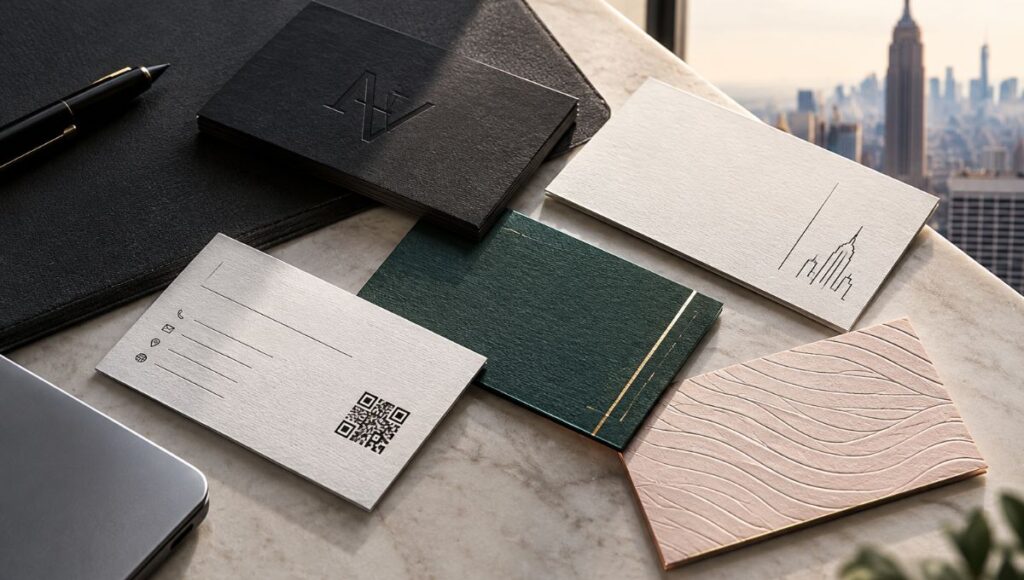
When selecting the type of paper, it is essential to consider the printing method and finishes to be applied, as not all papers react the same way to techniques such as hot stamping or embossing. Additionally, the paper’s weight affects the perceived quality; thicker papers usually convey a sense of luxury and durability.
Premium Finishes for Your Invitation Card
Premium finishes are specialized techniques that add a distinctive and sophisticated touch to invitations, enhancing their quality and visual appeal. Below are three of the most commonly used finishes:
- Hot Stamping: Hot stamping uses heat and pressure to transfer a metallic or pigmented foil, creating shiny and elegant details. It is known for adding gold or silver finishes, bringing a luxurious touch to invitations. This versatile technique is applied to paper, cardboard, and plastic, making it ideal for highlighting logos or names.
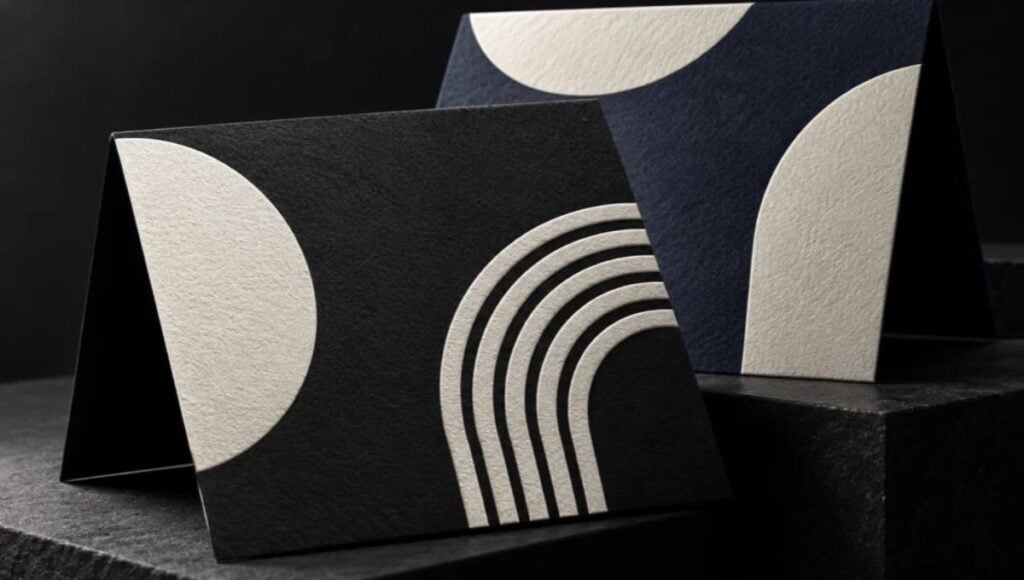
- Embossing & Debossing: These techniques create a three-dimensional effect on the paper, adding texture and depth. Embossing raises the design, while debossing indents it. These effects emphasize elements such as names or dates and are ideal for thick, textured papers, adding sophistication.
- Spot UV Coating: Spot UV applies a glossy layer to specific areas, creating contrast and highlighting logos, text, or images. In addition to its visual appeal, it protects the design and increases durability.
Combining these finishes transforms an invitation into a unique piece. Choosing the right one depends on the event, the audience, and the message you want to convey.

What Events Require Invitations?
Invitations play a crucial role in communicating and promoting various events, serving as the first impression guests receive and setting the tone of the occasion. Below are some of the most common events that require invitations:
- Weddings: Wedding invitations should reflect the importance and style of the event. They are often elegant and personalized, incorporating monograms, illustrations, and a carefully curated mix of typography and colors. High-quality materials and premium finishes like hot stamping or embossing enhance their sophistication.
- Corporate Events: Launches, conferences, and gala dinners require invitations that convey professionalism and brand consistency. A clean and modern design, featuring the corporate color palette and logo, is prioritized. Finishes like spot UV coating can highlight key elements and add distinction.
- Private Parties: Birthdays, anniversaries, and baby showers allow for great creative freedom. Invitations can range from colorful and playful designs to more sophisticated and minimalist styles. Personalization is key to reflecting the host’s personality and the event’s atmosphere.
- Cultural and Social Events: Concerts, exhibitions, and charity events need invitations that capture their essence and attract attendees. Eye-catching images, creative typography, and a clear layout facilitate the reading of essential information.
- Academic Ceremonies: Graduations and award ceremonies require formal invitations that reflect the event’s solemnity. High-quality papers, classic designs, and traditional typography contribute to an elegant and memorable presentation.
In all cases, invitations should convey the event’s atmosphere and level of formality, creating a positive first impression and anticipation among guests.
How to Combine Typography and Colors for a Sophisticated Visual Impact
The selection and combination of typography and colors are essential to creating invitations that are not only visually appealing but also effectively communicate the event’s tone and theme. Below are some guidelines to achieve a sophisticated visual impact:
Typography Selection:
- Consistency with the Event Style: The typography should reflect the nature and formality of the event. For traditional weddings, calligraphic or elegant serif fonts are appropriate, while modern or corporate events may benefit from clean and minimalist sans-serif fonts.
- Font Pairing: Using a decorative font for headings and a simpler font for body text can create an attractive visual balance. For example, pairing a script font with a sans-serif font can offer an interesting yet readable contrast.
- Readability: Ensure that selected fonts are easily readable, especially in smaller sizes. Avoid overly ornate fonts that may hinder legibility.
Color Selection:
- Limited Color Palette: It is advisable to use a limited color palette, generally two to four tones, to maintain coherence and avoid an overwhelming design.
- Proper Contrast: Ensure sufficient contrast between the text and the background to guarantee readability. For example, dark text on a light background or vice versa.
- Color Psychology: Consider the meaning and emotions evoked by colors. For example, blue conveys trust and professionalism, while gold evokes luxury and elegance.
Typography and Color Combination:
When combining typography and colors, strive for a balance that reflects the event’s theme and remains visually appealing. For example, for an elegant wedding, you could use a script font in gold for the couple’s names and a dark gray sans-serif font for the event details.
The key lies in consistency and simplicity. A clean design with a harmonious combination of typography and colors will result in a sophisticated and memorable invitation.
Designing elegant invitations requires carefully selecting paper, finishes, and the combination of typography and colors to reflect the essence of the event. Details such as hot stamping, embossing, and selective UV coating add sophistication and exclusivity, creating memorable pieces that build anticipation among guests.
If you’re looking for unique, high-quality invitations, Japan Printing offers professional design and printing services for stationery, business cards, letterheads, envelopes, note cards, and invitations. Contact us and make your event stand out from the very first impression!