Business Cards 02.20.25
Matte vs. Glossy vs. Textured Paper for Business Cards

Daniel Cantor
Did you know that choosing the right paper for your business cards is crucial to reflecting your brand’s identity and values? Not only that, but the type of paper you select can also create a strong first impression on potential clients.
In this article, you’ll learn about the characteristics, advantages, and disadvantages of three popular types of paper—matte, glossy, and textured—to help you determine which option best suits your business style.Remember that at Japan Printing, we can design and print the best business cards in NYC. Contact us today for a quote!
The Importance of Business Cards
Business cards are an essential tool in the corporate world. They not only provide contact information but also leave a lasting impression on potential clients and business partners. The quality and finish of your card can significantly influence how your business is perceived.
Matte vs. Glossy vs. Textured Paper for Business Cards
Matte, glossy, and textured papers offer different finishes for business cards. Matte paper has a smooth, non-reflective surface. Glossy paper features a shiny coating that enhances colors. Textured paper, like linen or laid, adds a unique feel with subtle patterns. Below, you’ll find the details of each type:
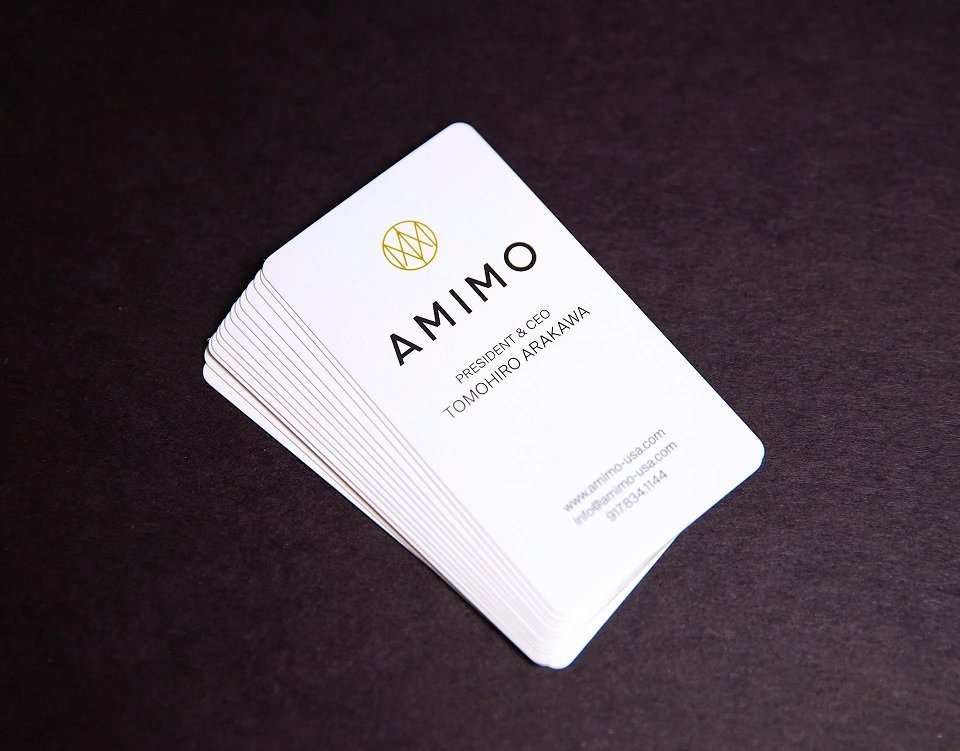
Matte Paper: Elegance and Professionalism
Matte paper is characterized by its non-glossy surface, giving it a smooth and sophisticated appearance.
Advantages of Matte Paper
- Professional Appearance: The absence of gloss conveys a sense of seriousness and formality, ideal for corporate settings.
- Easy to Write On: Its surface allows for easy writing with a pen or pencil, making it useful for adding personalized notes.
- Reduced Glare: Since it doesn’t reflect light, the information remains readable under various lighting conditions.
Disadvantages of Matte Paper
- Less Vibrant Colors: Colors may appear duller compared to glossy finishes.
- Prone to Smudging: It can absorb oils from hands, leaving visible marks.
Who Should Choose Matte Paper?
Companies aiming for a minimalist and professional image, such as law firms, financial consultancies, and traditional corporations, will find matte paper a suitable choice.
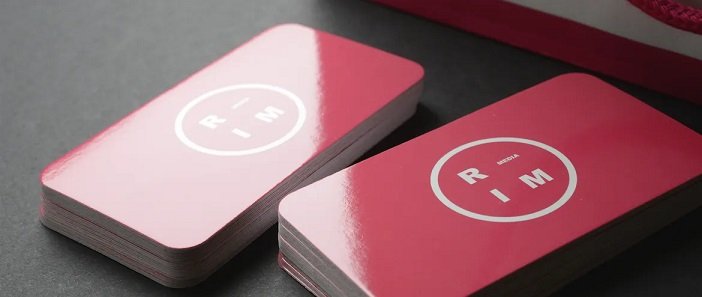
Glossy Paper: Modern and Vibrant
Glossy paper stands out for its shiny finish, which enhances colors and images.
Advantages of Glossy Paper
- Vibrant Colors: The shine intensifies hues, making images and logos stand out.
- Modern Look: It conveys a contemporary and eye-catching feel.
- Durability: The glossy coating provides some protection against wear and moisture.
Disadvantages of Glossy Paper
- Difficult to Write On: The slippery surface can make writing difficult with some pens.
- Glare: Under bright lights, the shine may create reflections that make reading harder.
Who Should Choose Glossy Paper?
Creative businesses, tech startups, and brands looking to stand out with bold and colorful designs will benefit from glossy paper.
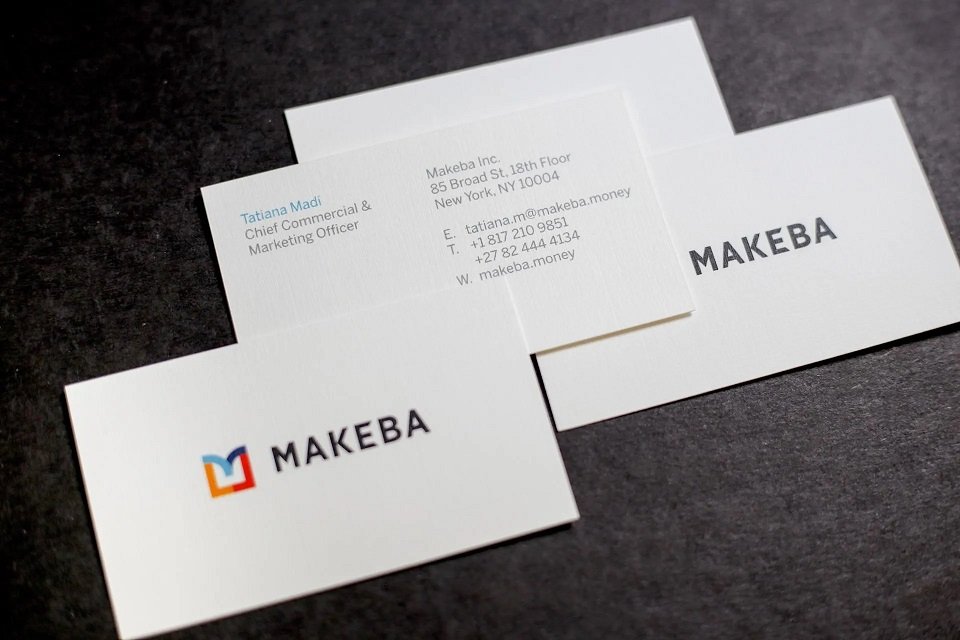
Textured Paper: Luxury and Exclusivity
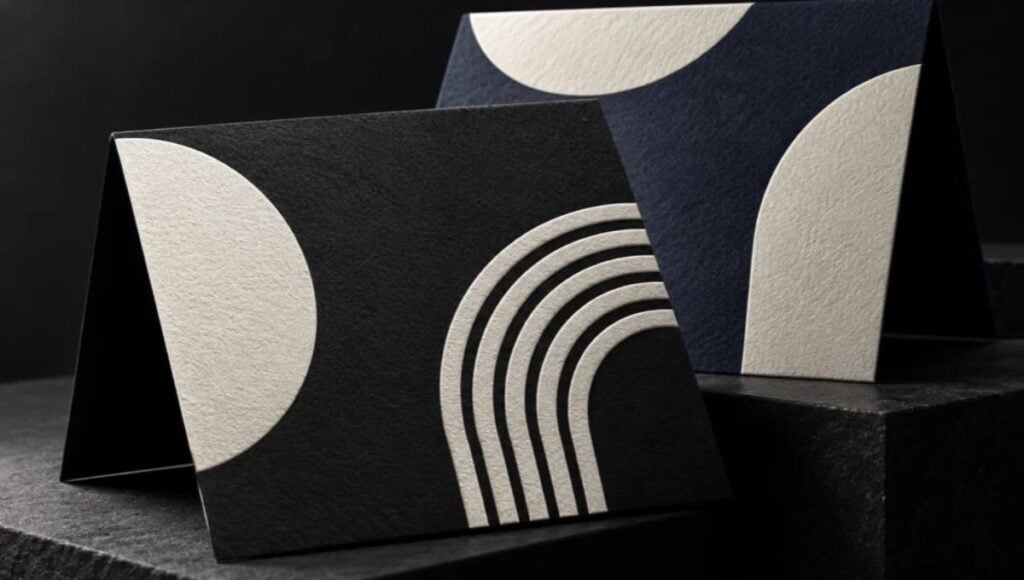
Textured paper provides a unique tactile feel, adding depth and character to business cards.
Advantages of Textured Paper
- Premium Feel: The texture offers a tactile experience that conveys quality and distinction.
- Differentiation: Stands out among standard business cards, leaving a memorable impression.
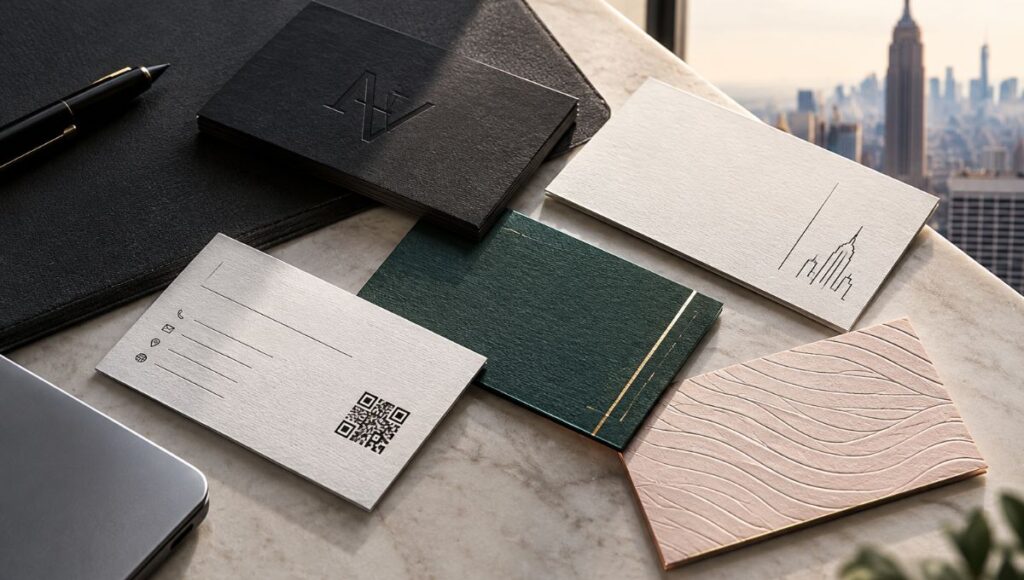
- Variety of Textures: Options range from linen to embossed finishes, allowing customization to match a brand’s identity.
Disadvantages of Textured Paper
- Higher Cost: Specialized production processes increase the price.
- Printing Compatibility: Some textures may not be suitable for all types of printing.
Who Should Choose Textured Paper?
Textured paper is ideal for brands that want to stand out through sophistication and attention to detail. Luxury brands, exclusive boutiques, and design studios benefit from using this type of paper in their business cards, as the texture adds a tactile dimension that enhances the perception of quality and exclusivity.
Additionally, the variety of textures available allows businesses to customize their cards to accurately reflect their brand identity, creating a memorable impression on clients and business partners.
Comparison Table: Choosing the Right Paper
| Feature | Matte | Glossy | Textured |
|---|---|---|---|
| Appearance | Elegant & professional | Modern & eye-catching | Luxurious & exclusive |
| Color Intensity | Less vibrant | More vibrant | Varies by texture |
| Ease of Writing | Easy | Difficult | Depends on texture |
| Cost | Moderate | Moderate | High |
How to Choose the Right Paper for Your Business Cards
When selecting the paper for your business cards, consider the following factors:
- Brand Identity: What image do you want to project? Minimalist, vibrant, or luxurious?
- Target Audience: Adapt your card’s style to meet the preferences and expectations of your potential clients.
- Budget: Determine how much you’re willing to invest in high-quality materials.
- Functionality: Consider whether you need to write on the cards or if they will be exposed to conditions requiring greater durability.
Conclusion
At Japan Printing, we understand that choosing the right paper for your business cards is essential to reflecting your brand’s identity. Whether you prefer the elegance of matte paper, the vibrancy of glossy paper, or the exclusivity of textured paper, we are here to guide you and provide customized solutions.
We specialize in designing and printing business cards in NYC of the highest quality. Don’t miss the opportunity to make a lasting impression. Contact us today and let us help you stand out with exceptional business cards!