Stationery 11.23.26
New Employee Welcome Kits: What Companies Should Print for Every New Hire

Daniel Cantor

A new employee’s first days at a company are an opportunity to establish a positive relationship, communicate organizational values, and make newcomers feel like part of the team. While onboarding increasingly relies on digital platforms, printed materials still play an important role in creating a tangible, organized, and memorable welcome experience. A thoughtfully assembled employee welcome kit can introduce company culture, provide essential information, and give new hires practical resources they can use throughout their first weeks. From personalized business cards and branded stationery to welcome letters and employee handbooks, every printed item can contribute to a consistent professional identity.
For businesses planning their next onboarding initiative, the quality and presentation of these materials matter. At Japan Printing, we help organizations create professional stationery and business cards that reinforce their brand at every interaction. Whether you are welcoming five employees or preparing materials for multiple office locations, our team can help bring your ideas to life. Contact Japan Printing today to request a quote for your business card design and printing projects, and discover how professional business card design NYC services can help your organization make a strong first impression.
Personalized Business Cards That Introduce New Employees Professionally
Business cards are among the most practical printed materials to include in an employee welcome kit, particularly for professionals who communicate with clients, suppliers, business partners, or industry contacts. Providing new hires with personalized business cards from their first day allows them to introduce themselves confidently and represent the company with consistent branding. Instead of waiting several weeks to receive their cards, employees can begin networking and participating in professional activities immediately.
A well-designed business card should communicate essential information without making the layout unnecessarily complicated. Companies should establish a standardized template that accommodates different employee names, job titles, departments, and contact details while maintaining consistent visual elements.
Consider including the following information:
- Employee’s full name: Make the name prominent and easy to read.
- Professional title: Clearly identify the employee’s position or department.
- Company information: Include the business name, logo, and relevant brand elements.
- Contact details: Add an appropriate business email address and phone number.
- Website: Provide the company’s official website so recipients can learn more about its services.
- Additional contact options: Depending on company policy, include a QR code linking to a professional profile, digital contact card, or company directory.
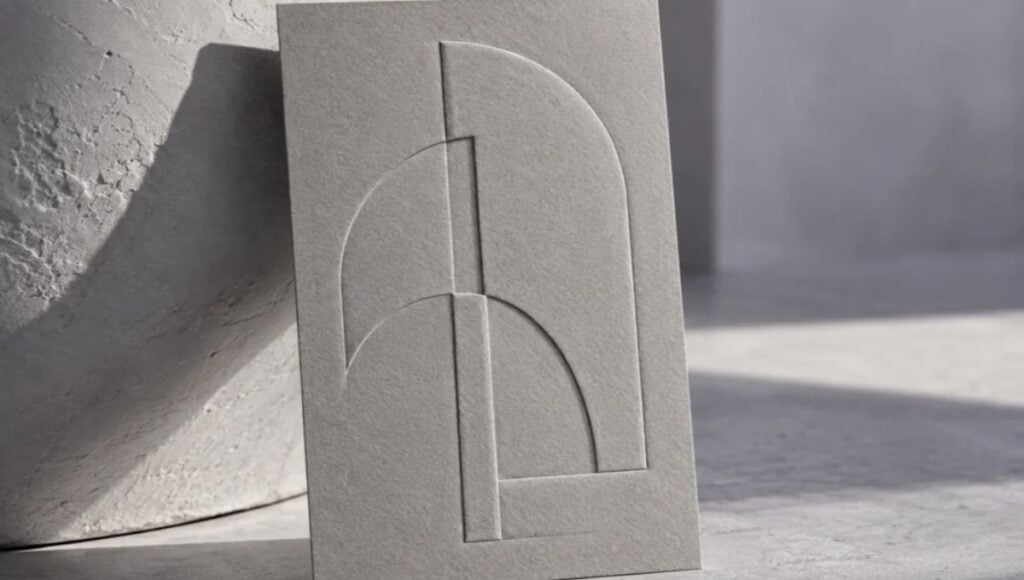
Material and finishing choices also influence how business cards represent a brand. Premium paper stocks, clean typography, carefully selected colors, and finishes such as foil stamping or embossing can create a distinctive presentation. However, the design should always prioritize readability and consistency rather than decorative elements alone.
Companies should also consider ordering cards in advance of an employee’s start date. Establishing a standardized design and approval process makes it easier to accommodate new hires without creating unnecessary delays. For organizations with frequent recruitment, keeping approved templates and printing specifications readily available can simplify future orders.
Welcome Letters, Employee Handbooks, and Printed Onboarding Guides
A personalized welcome letter is a simple addition that can make an employee welcome kit feel more thoughtful and intentional. Unlike a standard automated email, a printed letter provides a physical introduction to the organization and communicates that the company has prepared for the employee’s arrival. It can be signed by the CEO, department manager, or direct supervisor, depending on the organization’s size and internal culture.
Employee handbooks and onboarding guides serve a different but equally important purpose: providing new hires with accessible information about the workplace. Research published in PLOS ONE in 2023 examined formal onboarding practices and identified information, welcome, and guidance as important dimensions of organizational socialization. These categories provide a useful framework for developing printed onboarding resources, although printed materials alone cannot replace training and direct employee support.
Companies can consider printing the following documents:
- Welcome letter: Introduce the employee to the organization, express appreciation for joining, and provide a personal message from leadership.
- Employee handbook: Summarize workplace policies, expectations, benefits, professional conduct, and relevant company procedures.
- First-week schedule: Outline orientation sessions, meetings, training activities, and important appointments.
- Company directory: List key departments, relevant contacts, and reporting structures.
- Mission and values guide: Explain the organization’s purpose, principles, and approach to working with customers and colleagues.
- Quick-reference guide: Provide essential information such as office hours, communication channels, IT support contacts, and workplace facilities.
The visual presentation of these documents should reflect the same branding used across the company’s other printed materials. Consistent typography, color palettes, logos, and layouts help create a unified identity. Companies should also ensure that documents are reviewed regularly so employees do not receive outdated policies or contact information.
For organizations with remote and hybrid teams, printed guides can be mailed directly to employees or included in packages delivered before their first working day. Digital versions can complement physical copies, ensuring that information remains accessible when employees need updated resources.
Branded Stationery and Office Essentials Employees Can Actually Use
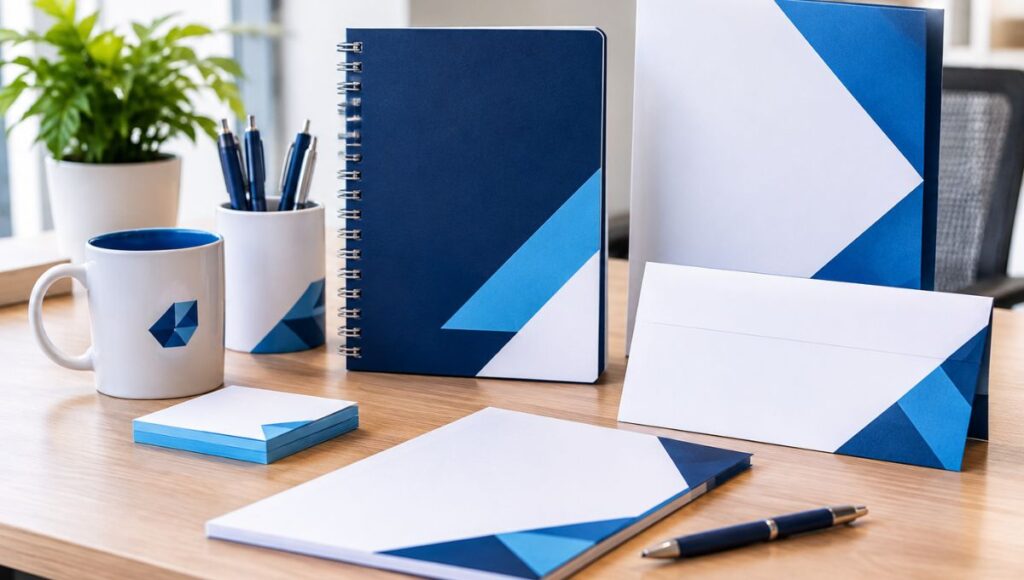
A welcome kit should not consist entirely of informational documents. Including practical stationery gives employees tools they can use immediately while introducing them to the company’s visual identity through everyday office activities. Items such as notebooks, notepads, folders, and personalized writing materials can turn a standard onboarding package into a useful collection of workplace essentials.
Branded stationery is particularly valuable because it creates repeated opportunities for employees to interact with the company’s identity. A notebook used during meetings, for example, can reinforce brand recognition without requiring additional promotional messaging. These materials can also help establish a consistent appearance across departments, especially in organizations where employees regularly meet clients or attend external events.
Some of the most useful printed stationery items to consider include:
- Branded notebooks: Provide space for meeting notes, training information, daily tasks, and personal organization.
- Notepads: Offer a convenient option for quick reminders, telephone messages, and everyday office notes.
- Presentation folders: Keep onboarding documents, contracts, reference sheets, and other important paperwork organized.
- Letterheads and envelopes: Introduce employees to the company’s official correspondence materials and document standards.
- Personalized stationery: Depending on the employee’s responsibilities, customized writing materials can support client communication and internal administrative tasks.
- Desk calendars or planning sheets: Help employees organize schedules, deadlines, and upcoming activities.
When selecting these products, companies should consider durability, functionality, and the frequency with which employees will use them. For instance, a notebook with a durable cover may be more appropriate for employees who frequently travel or attend meetings, while a simple notepad may be sufficient for positions involving primarily desk-based work.
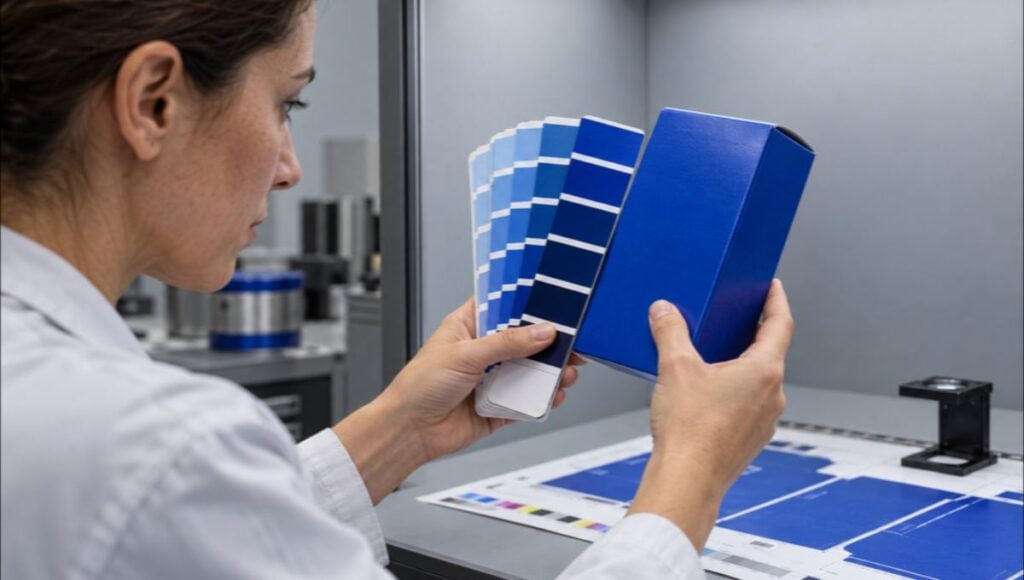
Printing specifications should also be consistent across the entire collection. Matching colors, logo placement, typography, and paper choices help ensure that notebooks, folders, and other stationery look like parts of the same branded system. Companies ordering welcome kits in larger quantities should establish these specifications before production to maintain consistency between batches.
Rather than adding stationery simply to increase the number of items in a package, organizations should prioritize products that support actual work activities. A smaller collection of well-designed, useful materials can provide a better experience than a large assortment of items employees are unlikely to use.
Designing Consistent Welcome Kits for Different Teams and Office Locations
Companies with multiple departments, offices, or geographical locations face an additional challenge when preparing employee welcome kits: maintaining a recognizable brand while accommodating different employee needs. A standardized approach can help ensure that every new hire receives the same essential information and professional materials, regardless of where they work or which department they join.
Brand consistency is especially important for printed materials because differences in colors, typography, logo placement, or paper quality can make an organization appear fragmented. Establishing centralized design guidelines and approved printing specifications helps prevent these inconsistencies. It also simplifies production when human resources departments need to prepare welcome kits for several employees at once.
A practical way to organize the process is to divide the welcome kit into two categories:
Core materials for every employee:
- A personalized welcome letter.
- An employee handbook or onboarding guide.
- A company-branded notebook and notepad.
- A folder containing relevant onboarding documents.
- A company directory or quick-reference contact sheet.
Role-specific materials:
- Personalized business cards for employees who interact with clients and external contacts.
- Department-specific reference guides and printed procedures.
- Sales or marketing collateral for customer-facing teams.
- Specialized stationery for executives, managers, or administrative personnel.
- Additional printed resources required for particular office environments.
Companies should also plan their printing schedules around recruitment cycles. Preparing approved templates, identifying standard quantities, and maintaining an inventory of frequently used stationery can make it easier to assemble kits without last-minute production requests. For personalized items such as business cards, organizations should collect employee information early enough to allow for design approval, proofreading, and printing.
Remote employees should not be overlooked. Their welcome kits can be assembled using the same visual standards and shipped directly to their homes, providing a comparable introduction to the organization. Packaging, document protection, and delivery timing should be considered during production planning.
Finally, organizations should periodically evaluate their welcome kits by collecting feedback from recent hires and the HR teams responsible for onboarding. Ask whether the materials were useful, whether important information was missing, and which items employees actually used. Updating the collection based on this feedback helps companies avoid unnecessary printing while keeping their onboarding materials relevant and professional.
Conclusion
An effective employee welcome kit combines practical resources, clear information, and consistent branding to help new hires feel prepared and included from the beginning. Personalized business cards, welcome letters, employee handbooks, and branded stationery each serve a different purpose, but together they create a more organized and professional introduction to the company. By planning these materials carefully, businesses can establish a repeatable onboarding experience that reflects their identity across departments, offices, and locations.
At Japan Printing, we specialize in professional stationery and business card design and printing, helping businesses create high-quality branded materials that make lasting impressions. Whether you need personalized business cards for a growing team, coordinated stationery for multiple offices, or a complete collection of printed onboarding materials, we can help you find the right printing solutions. Contact Japan Printing today to request a quote for your business card design and creation project in NYC, and give every new employee a welcome that represents your brand with professionalism and attention to detail.