Business Cards 06.10.25
Raised Ink vs Embossed Business Cards: What’s the Difference?

Daniel Cantor
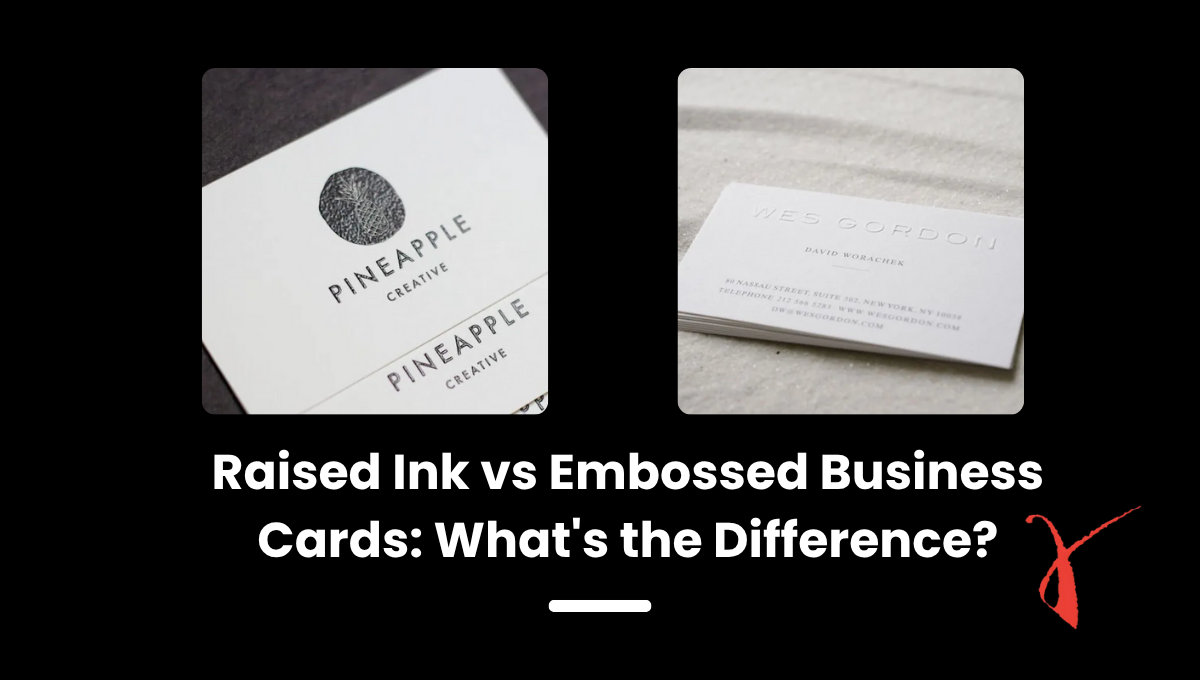
When it comes to creating a professional and memorable business card, every detail matters. From the choice of paper to the special finishes, each element reflects the personality and level of your brand. Two of the most popular techniques to add a distinctive touch are raised ink (thermographic printing) and embossing. Although they may seem similar at first glance, each technique offers a different visual and tactile experience.
In this article, we’ll explore the key differences between these two techniques to help you choose the best option for your cards. And if you’re looking for a professional and elegant print, request a quote today for your business card design and printing projects with Japan Printing, where we offer some of the best business cards in NYC.
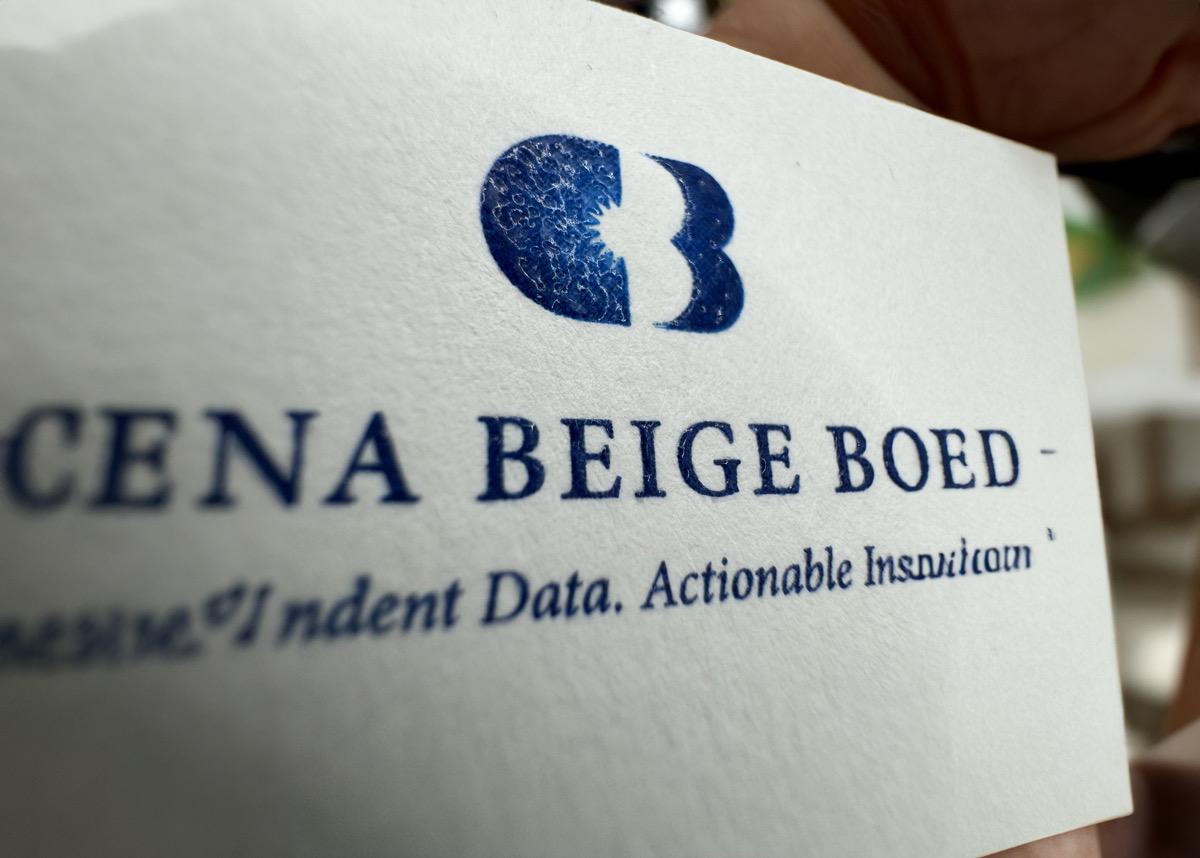
What is Raised Ink?
Raised ink, also known as thermographic printing, is a printing technique that creates raised lettering using heat. Once the design is printed, a special powder is applied over the wet ink. The card is then passed through a heat source that melts the powder, causing the ink to rise and create a textured finish.
Features of raised ink:
- Raised effect only where ink is applied (does not affect the back of the paper)
- Subtle shine on the printed areas
- Elegant and distinctive feel
- Ideal for simple text and logos
This technique is an excellent choice for those who want to add a sophisticated touch without using complex processes. It’s especially effective for well-defined typography and logos, and is commonly used for formal business cards.
If you work with a professional business card maker NYC, you’ll be able to choose from multiple ink colors and achieve a precise finish that clearly reflects your brand.
What is Embossing?
Embossing is a technique that involves pressing the paper with a metal die to create a raised design on the surface. Unlike raised ink, embossing does not use ink to create the effect—although it can be combined with color printing or metallic foil stamping.
Features of embossing:
- Creates a permanent raised shape on the paper
- Affects both the front and back of the material
- Offers a premium and professional texture
- Works well for logos, names, or decorative graphic elements
There are two main types of embossing:
- Blind embossing (no ink): Only the paper is raised, with no additional color
- With ink or foil: Combined with printing to further enhance the effect
Embossing is subtler and more elegant than raised ink and is often associated with quality business cards NYC due to its refined look. Not all providers can deliver high-precision embossing, which is why it’s important to work with experts like Japan Printing.
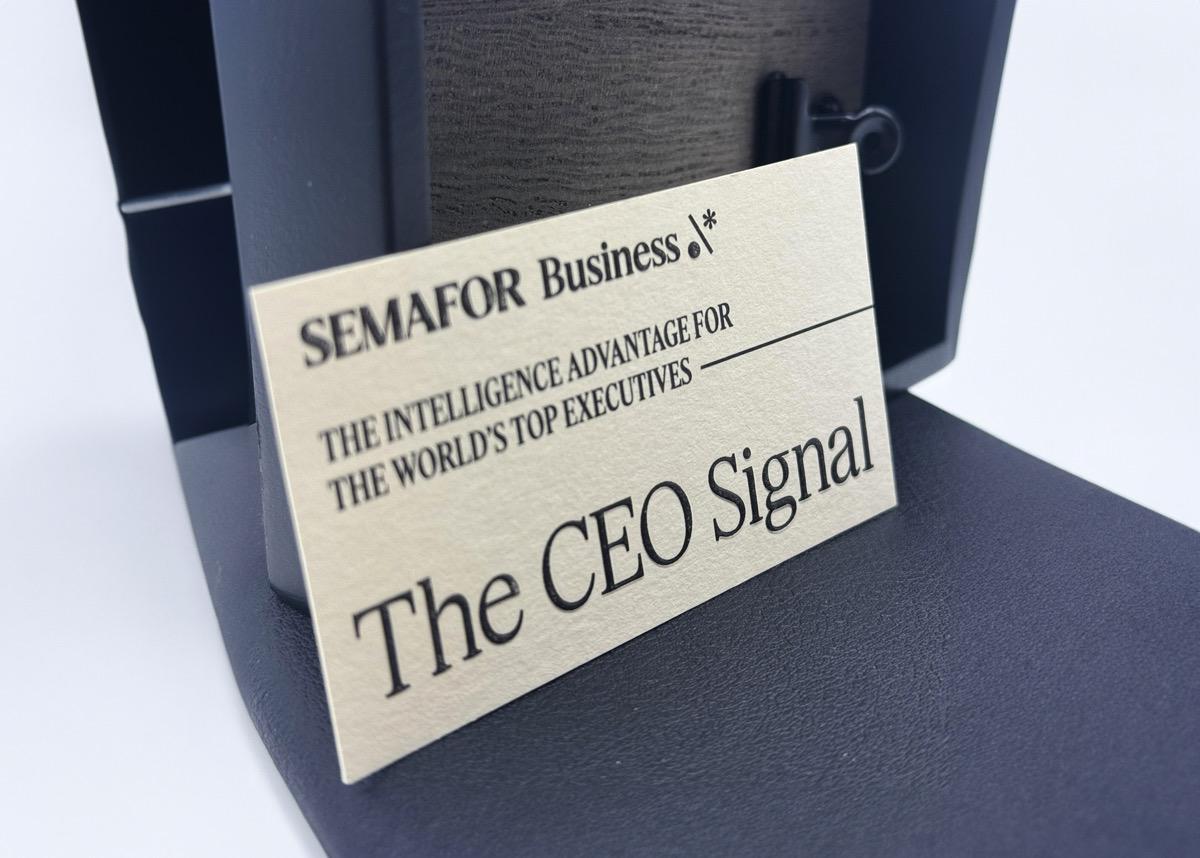
Visual and Tactile Differences Between the Two Techniques
While both raised ink and embossing offer a tactile experience, there are clear differences in how they look and feel.
Raised Ink:
- Raised effect only where ink is present
- Soft shine on the raised areas
- Shallower texture
- Not visible on the reverse side of the card
Embossing:
- The design is fully raised from the paper
- Can be felt and seen from both sides
- Matte finish (unless combined with foil)
- Deeper and more defined relief
Which to choose based on your goals:
- For a modern and sleek look: Raised Ink
- For a classic and refined design: Embossing
- To highlight the logo or name with a premium finish: Embossing with foil
Both options convey professionalism, but the visual impact will depend on your overall design. A good business card maker NYC can guide you in harmoniously and functionally integrating these techniques into your cards.
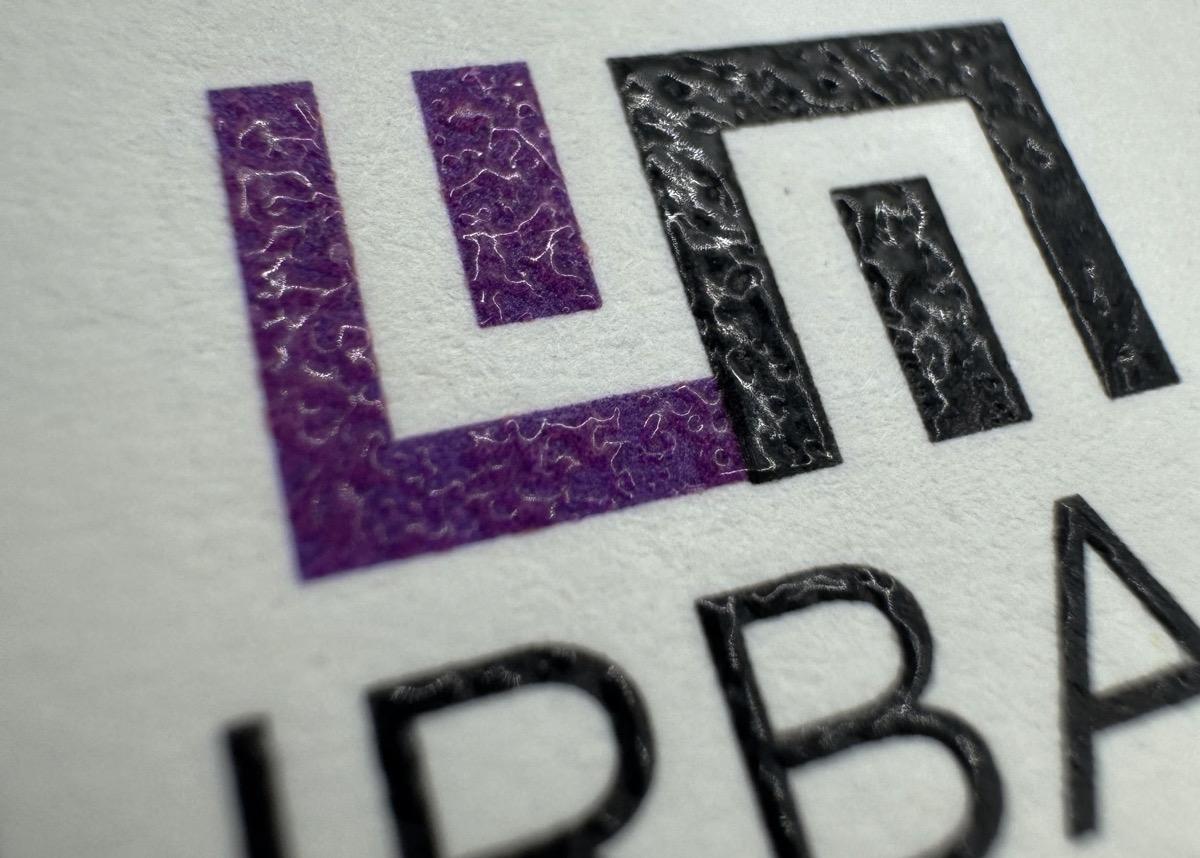
Pros and Cons of Each Technique
Before choosing between raised ink and embossing, it’s important to weigh the advantages and disadvantages of each option to ensure they align with your needs.
Advantages of raised ink:
- Lower cost compared to embossing
- Faster production time
- Ideal for simple or typographic designs
- Wide variety of ink colors available
Disadvantages of raised ink:
- Less depth in the raised effect
- Doesn’t feel as premium as embossing
Advantages of embossing:
- Adds exclusivity and luxury
- Longer-lasting tactile feel
- Allows for advanced artistic customization
- Increases perceived value of the card
Disadvantages of embossing:
- Higher cost
- Longer production time
- May complicate printing on the reverse side
When comparing these techniques, you should also consider the type of paper and your brand style. If your priority is to create a luxurious and memorable impression, embossing is the best option. If you’re seeking a balance between elegance and functionality, raised ink is ideal.
Which Technique Should You Choose for Your Brand?
The decision between raised ink and embossing should be based on the message you want your business card to convey. Each technique has a specific impact on the customer’s perception and can help you communicate different values.
Raised Ink is ideal for:
- Startups and modern businesses
- Young professionals
- Minimalist designs
- Stylish cards with a limited budget
Embossing is ideal for:
- Luxury brands
- Law firms or financial consultants
- Premium or exclusive products
- High-end business cards
In either case, it’s crucial to work with a company experienced in custom printing, like Japan Printing, where we design cards that truly represent your brand.
Moreover, if you want to combine techniques such as embossing with foil stamping or raised ink with UV coating, a quality business cards NYC provider can offer those options without compromising the final result.
Conclusion
Both raised ink and embossing are excellent techniques for enhancing your business cards and making a lasting impression. The right choice will depend on your brand’s style, your budget, and the kind of impact you want to make.
Ready to take your cards to the next level? Request a quote today for your business card design and printing with Japan Printing, and discover why we’re the top choice for business cards in NYC with professional, personalized finishes.
Let your card speak for you!